 English
 Deutsch
 العربية
 فارسی
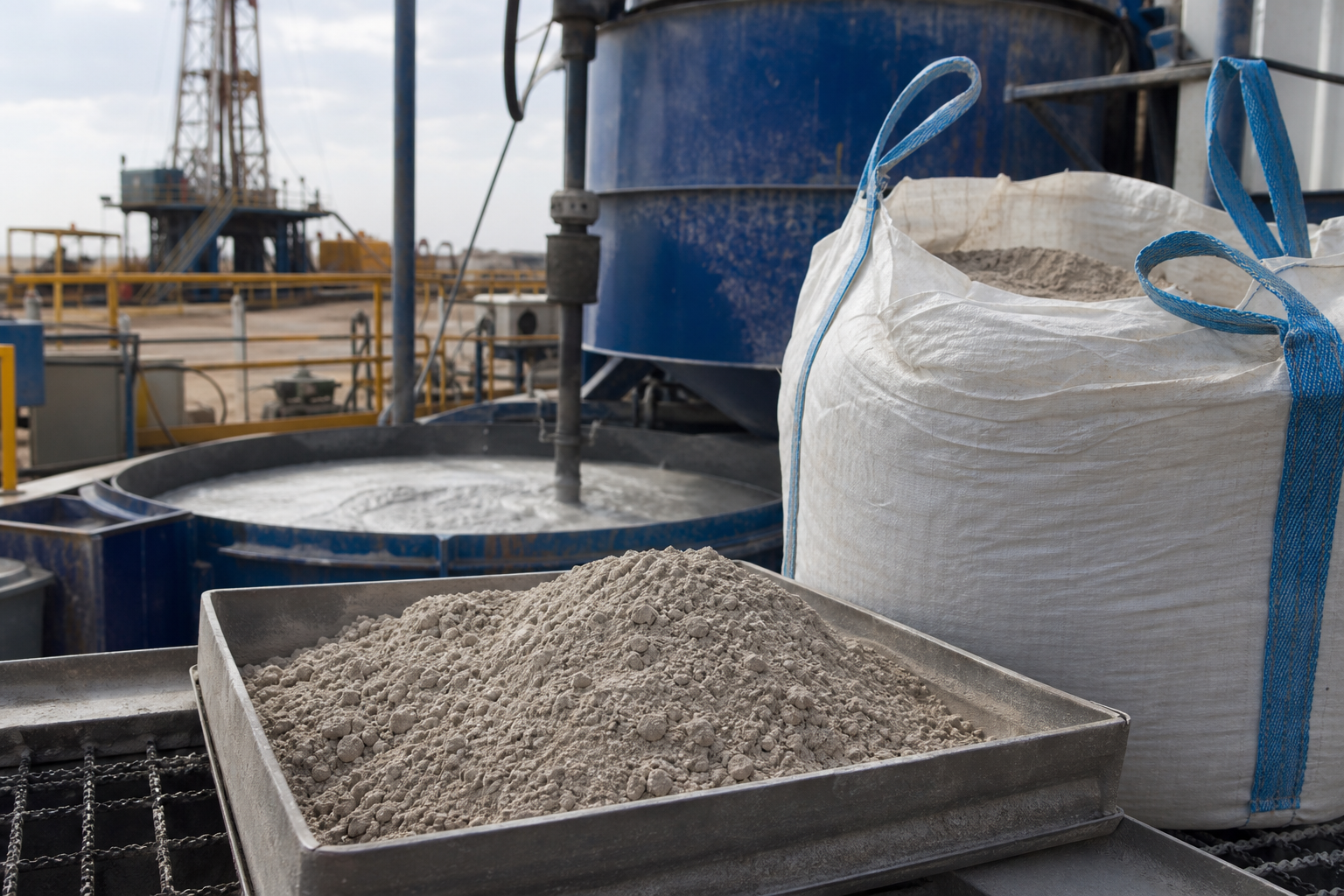
Grade selection
Drilling Barite vs Industrial Barite: What Actually Changes?
A practical comparison of density, particle size, brightness, chemistry and the approval tests that matter for each application.
Read the article →
Practical technical notes for industrial barite buyers and specialists.
A practical comparison of density, particle size, brightness, chemistry and the approval tests that matter for each application.
Read the article →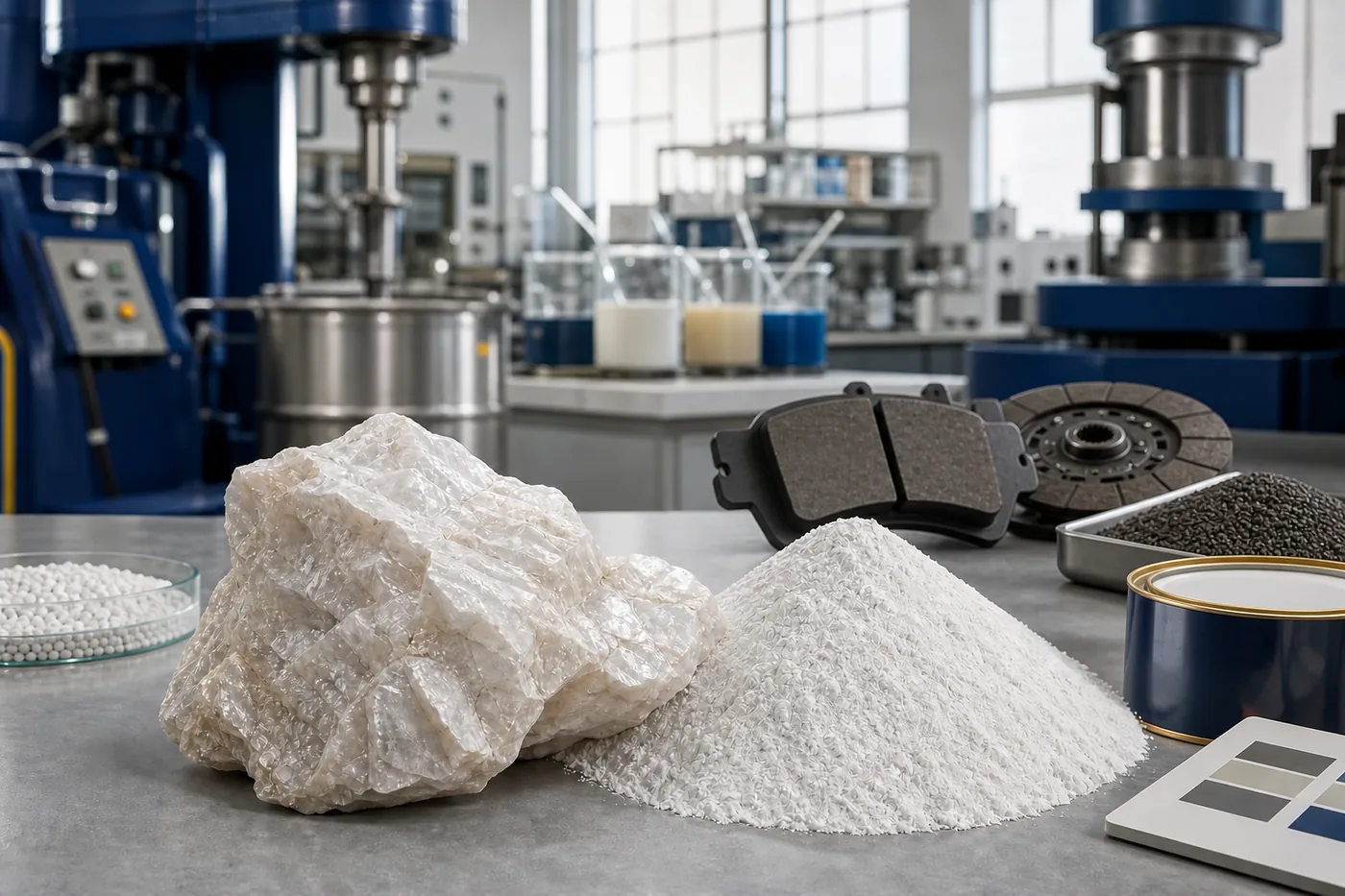
A clear guide to barite properties, common grades and its main drilling and industrial uses.
Read the article →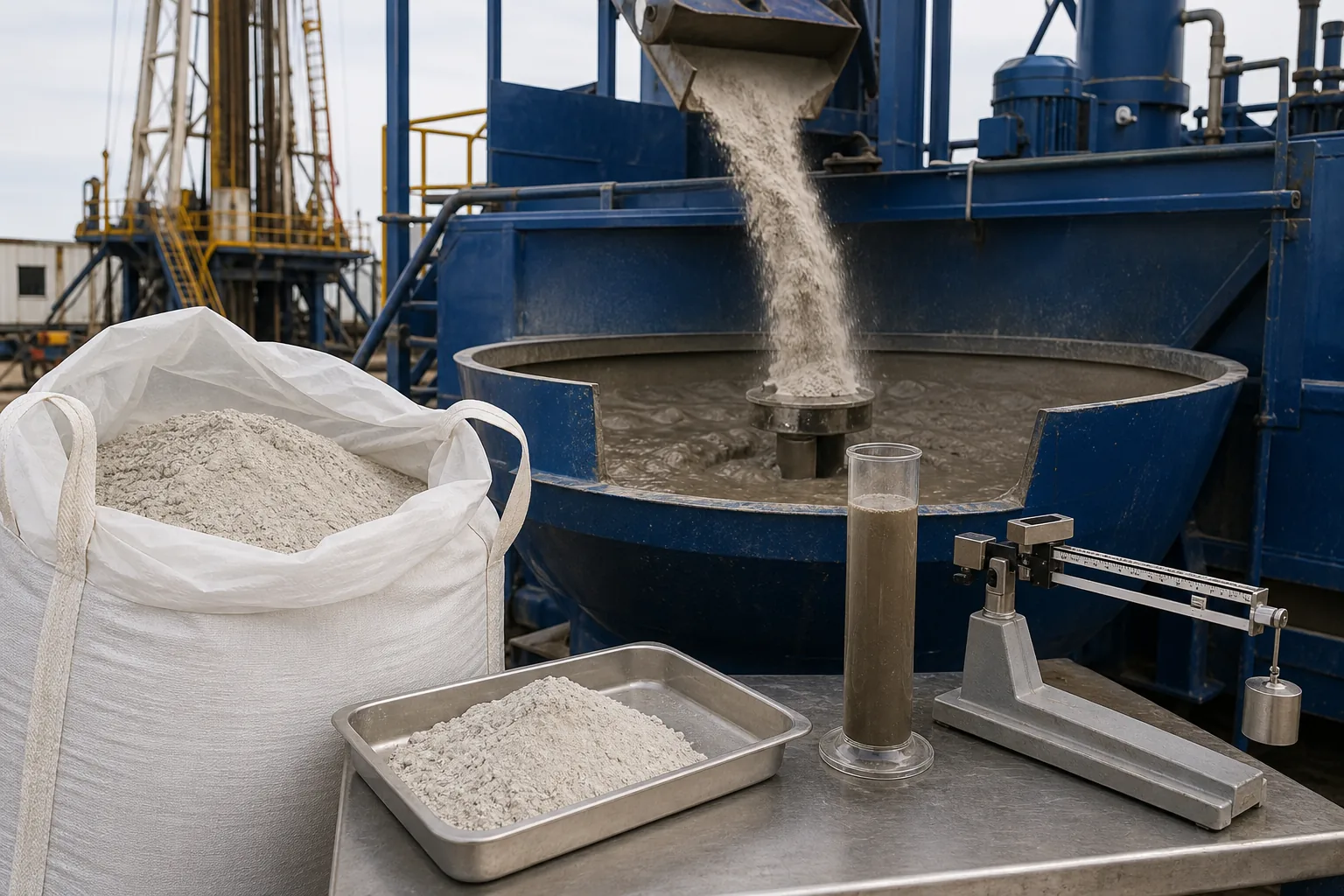
How barite raises mud density, supports pressure control and which specifications buyers should verify.
Read the article →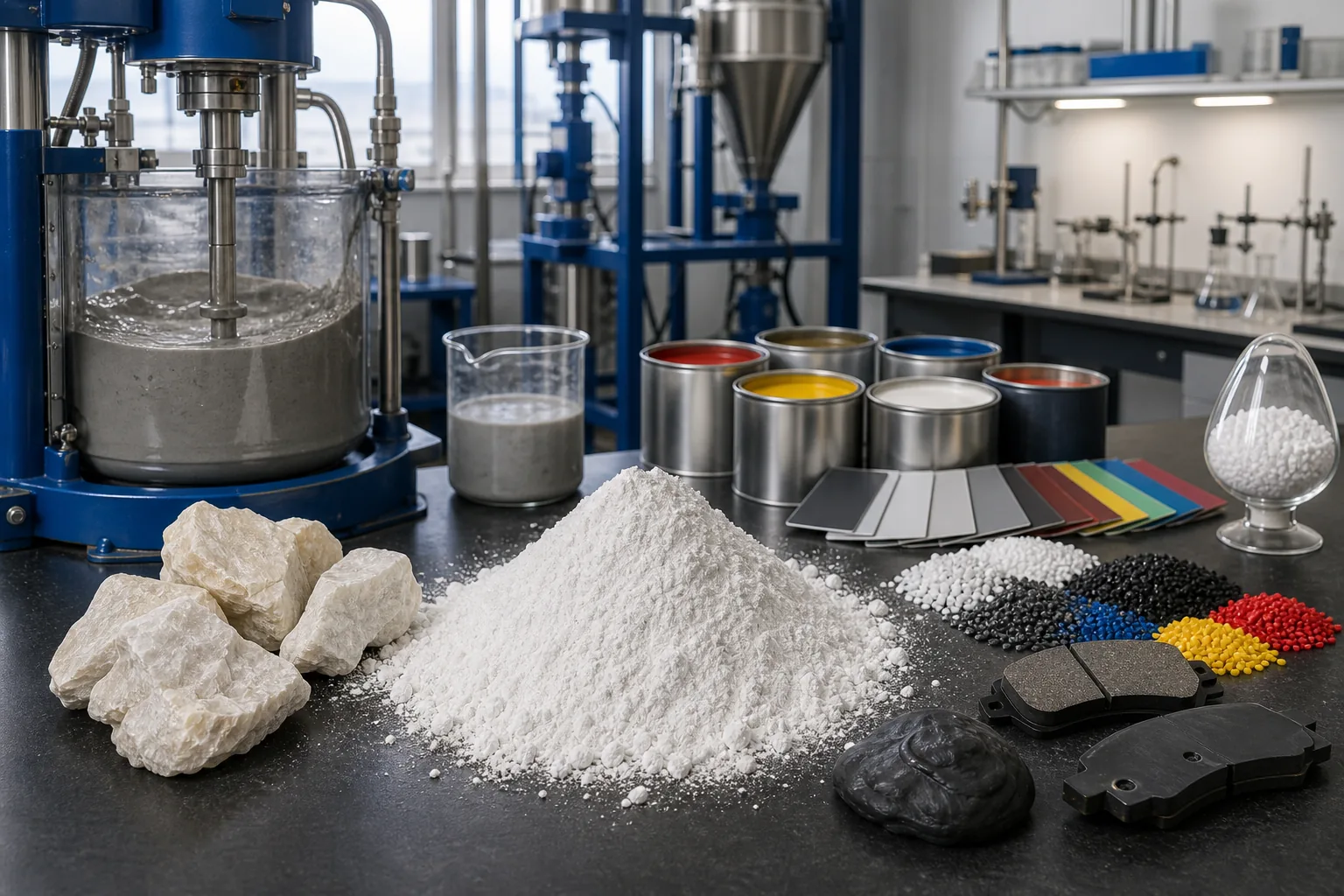
A buyer-focused guide to drilling, coatings, plastics, rubber and friction-material grades.
Read the article →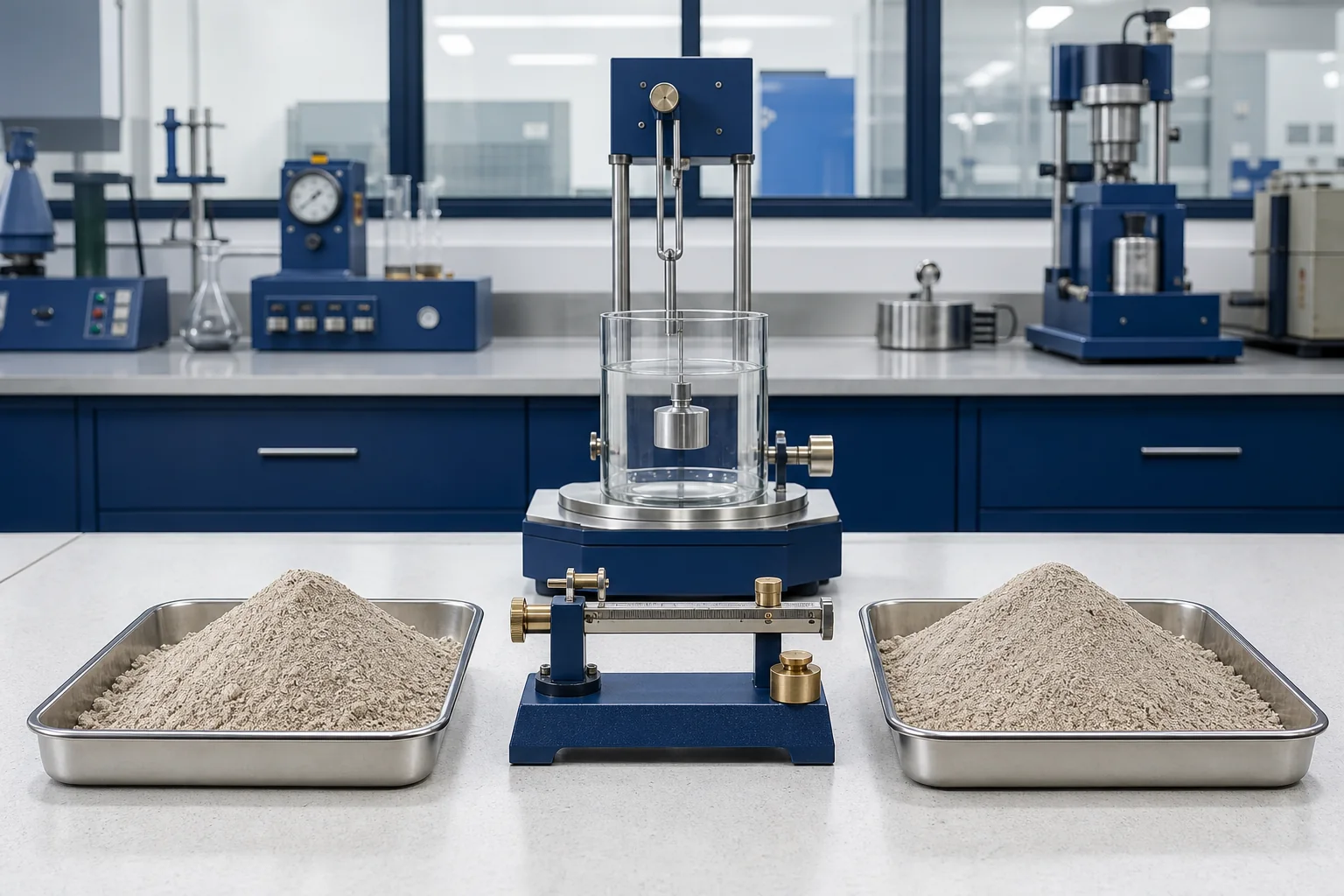
What changes in solids volume, high mud-weight performance and API purchasing checks.
Read the article →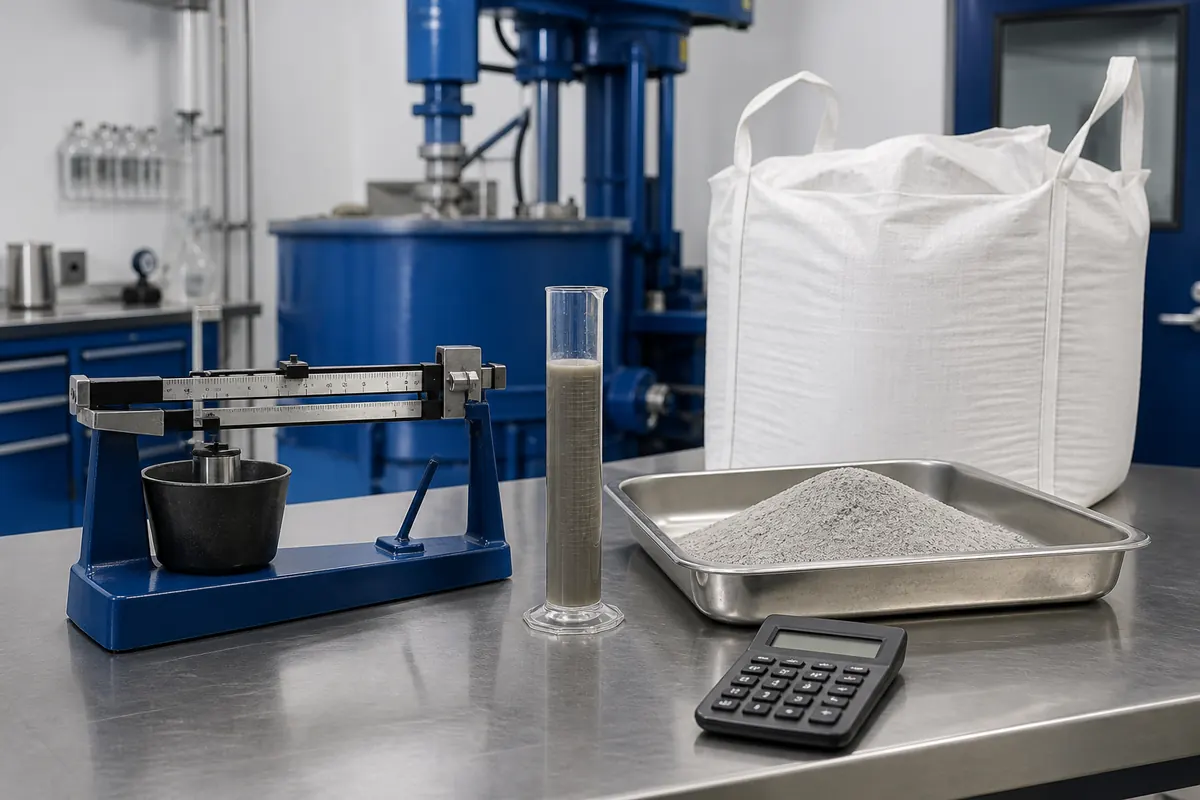
Field and metric formulas with examples, volume increase and essential calculation checks.
Read the article →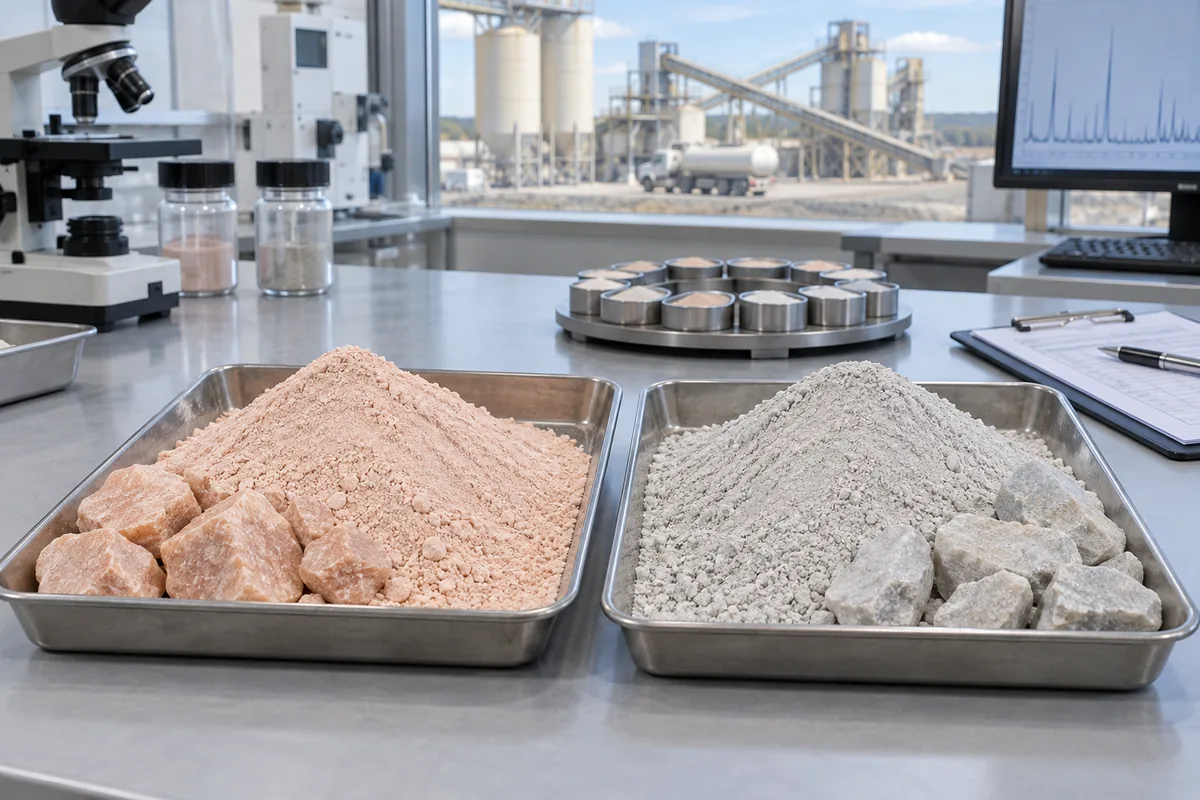
Why colour or associated hematite does not automatically reject drilling barite, and which tests buyers should check.
Read the article →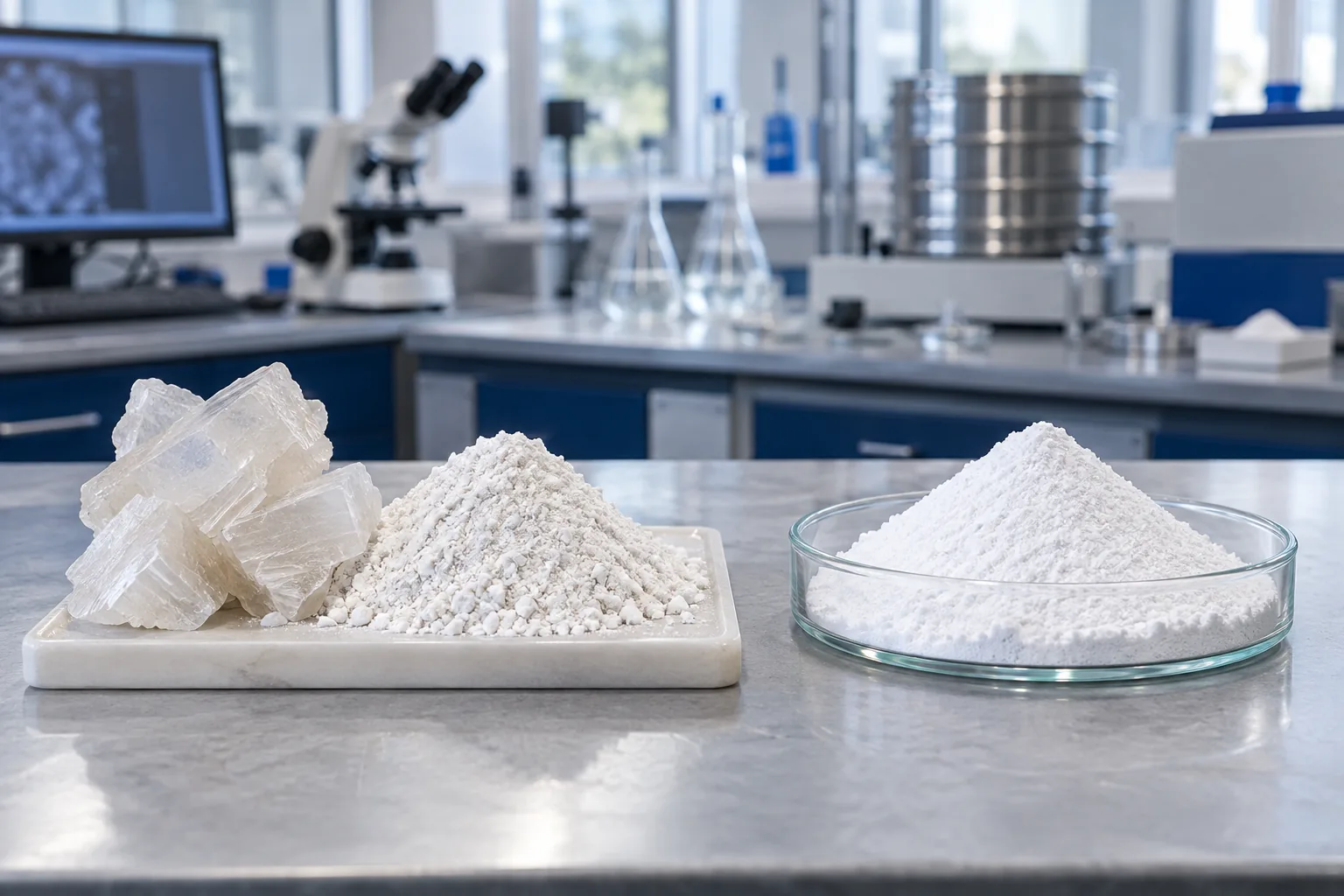
A practical comparison and a clear guide to when premium natural barite can be an economical alternative.
Read the article →
What mesh means, how the grades differ and what buyers should specify before ordering.
Read the article →
The principal checks for 4.2-grade barite, how to read a batch COA and why density alone is not enough.
Read the article →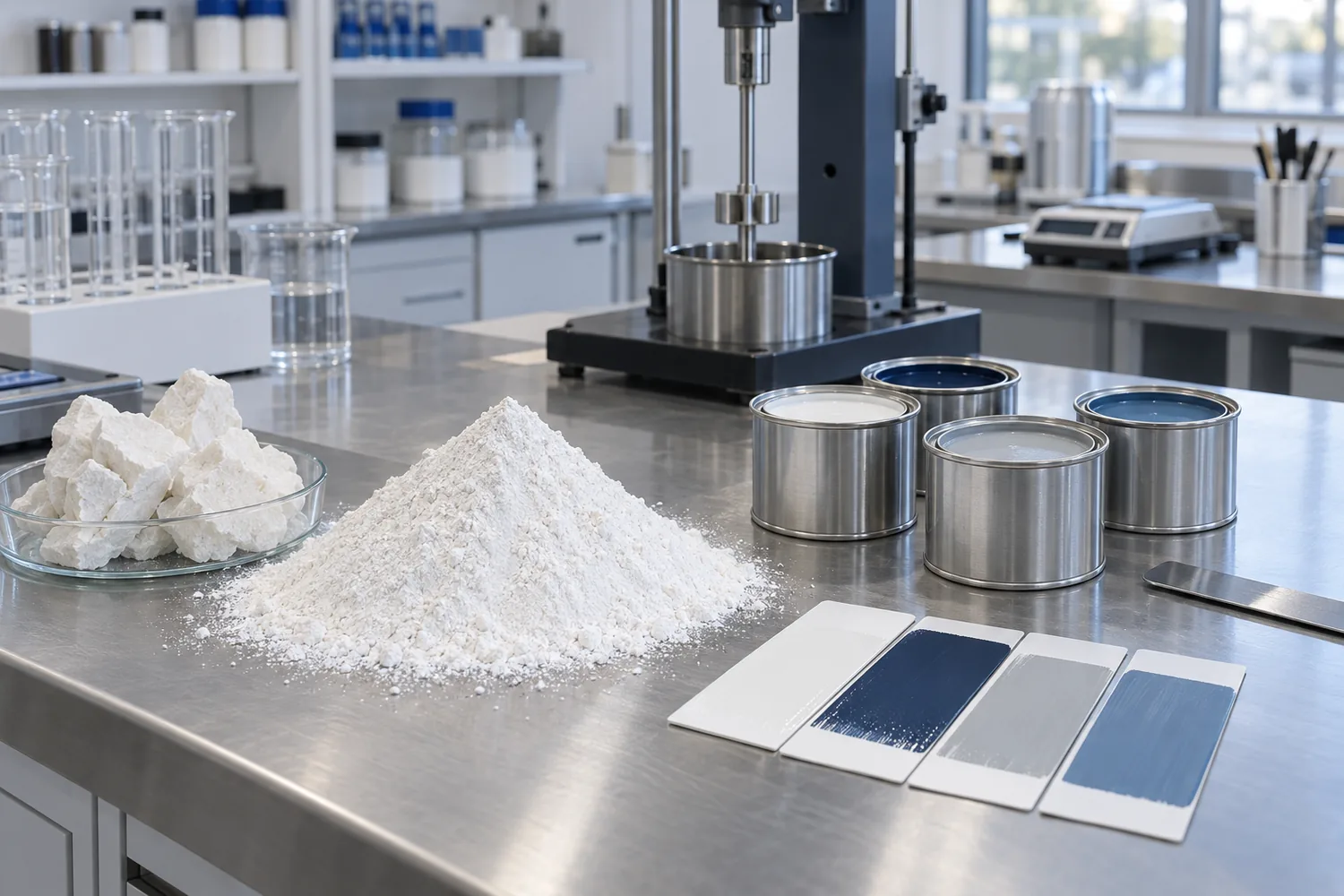
Functions, grade selection and the properties buyers should verify before a formulation trial.
Read the article →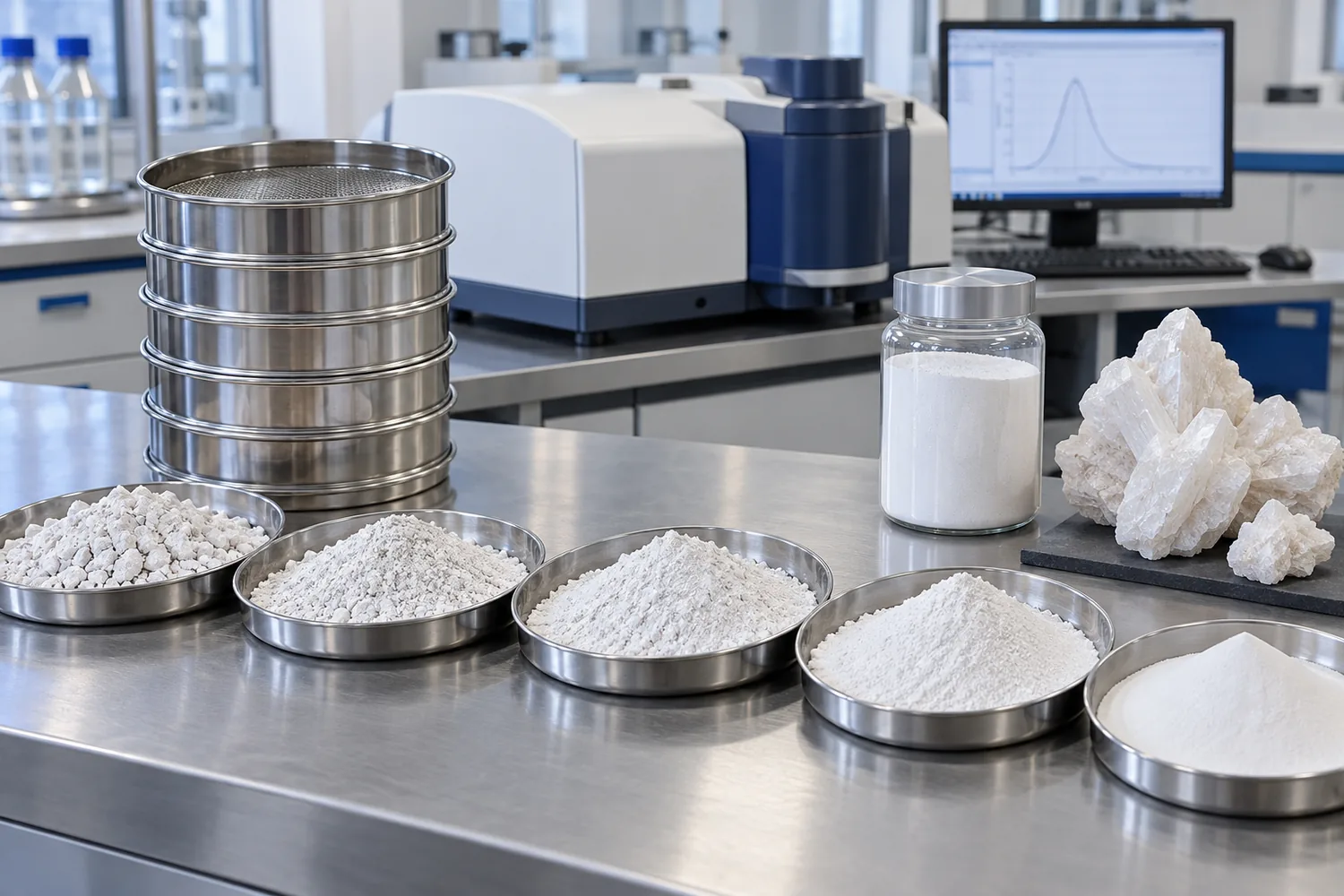
A practical guide to mesh, micron, D10, D50 and D90 for barite buyers.
Read the article →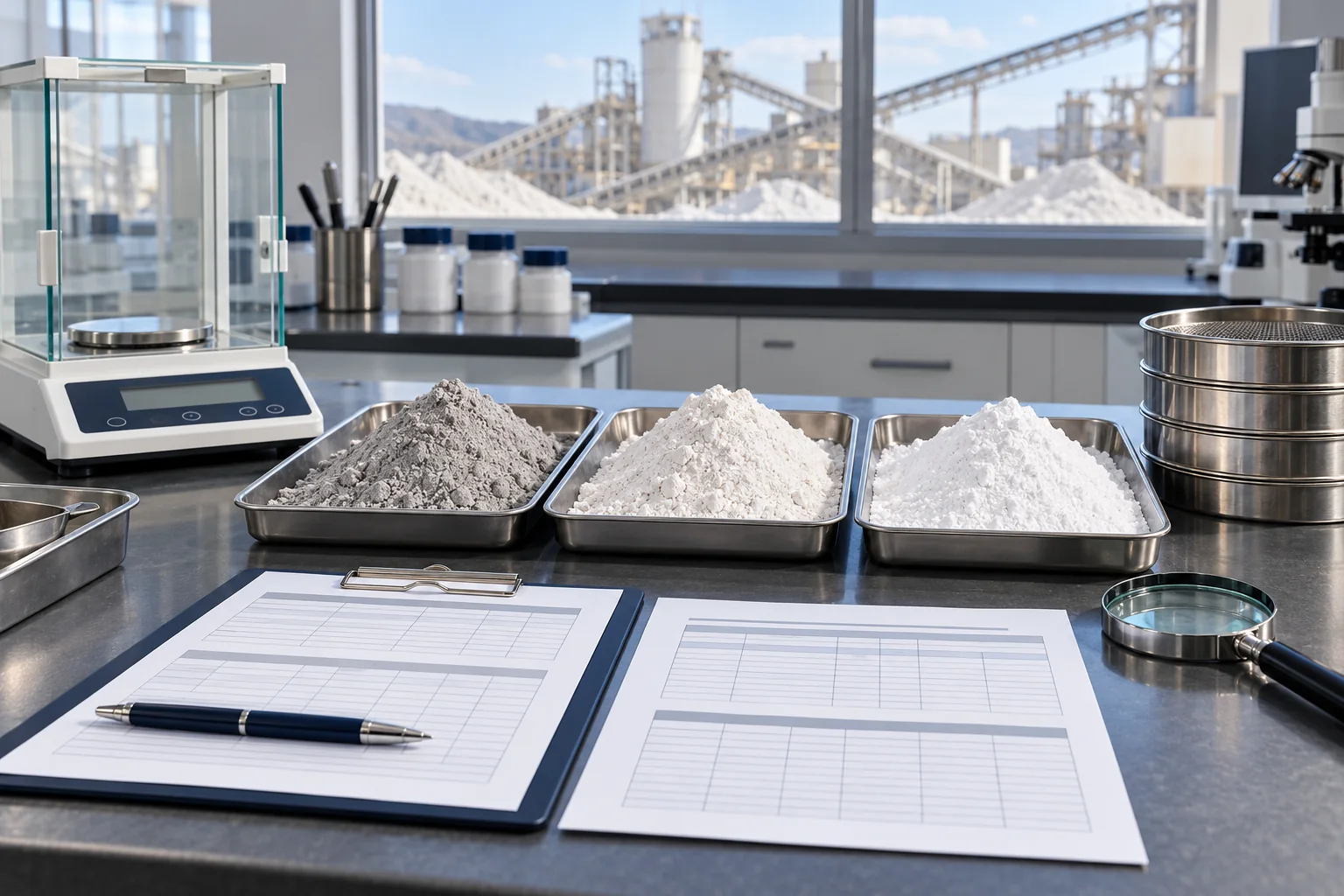
How buyers should compare the purchase specification, TDS, batch COA, SDS and approved sample before ordering.
Read the article →